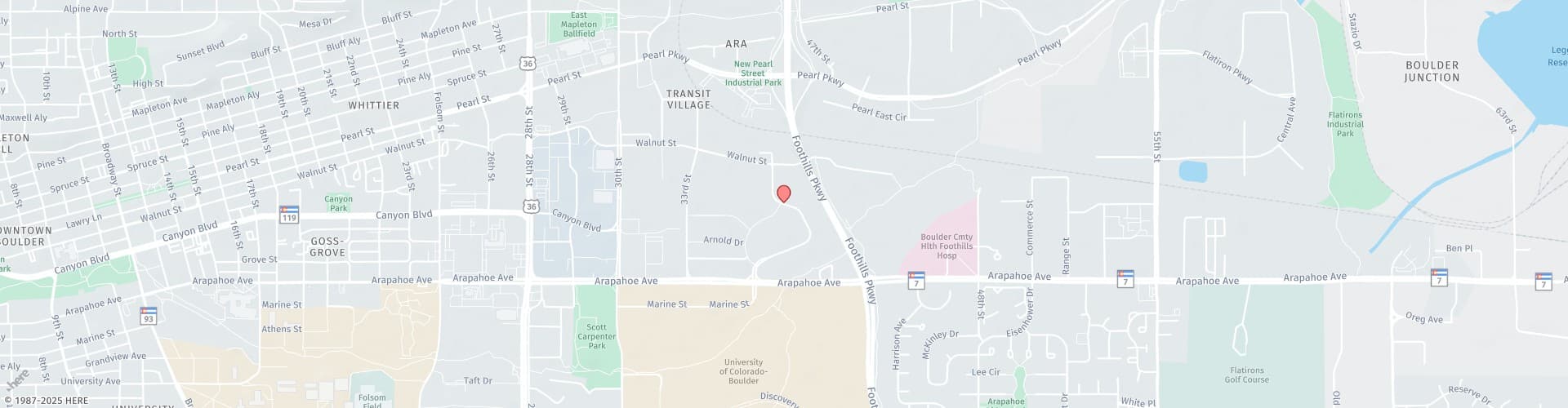


People in Boulder and neighboring areas in Colorado can seek legal guidance from Jeffress Law. The firm includes Christopher W. Jeffress, who has represented injured individuals in Colorado since 1994 after beginning his career in insurance defense, and Antwan D. Hampton, Jr., a former prosecutor with experience handling personal injury and insurance matters.
What Is a Back Injury?
“Back injury” is a broad term. It can refer to a mild strain or a more serious condition involving a disc, joint, vertebra, or nerve root.
Common examples include:
- Muscle or ligament strains
- Herniated or bulging discs
- Vertebral fractures
- Pinched nerves
- Joint and soft tissue damage
Symptoms might include localized pain, stiffness, muscle spasms, reduced mobility, or pain radiating into an arm or leg. Some people improve with rest, physical therapy, medication, or other nonsurgical care. More severe injuries can require injections, surgery, rehabilitation, or long-term assistance.
What Is a Spinal Cord Injury?
The spinal cord carries signals that control movement, sensation, and many automatic functions. Trauma can bruise or compress the spinal cord, disrupt its blood supply, or, less commonly, partially or completely tear the tissue.
A spinal cord injury may produce:
- Weakness or paralysis
- Loss of sensation
- Numbness or tingling
- Difficulty with balance or coordination
- Changes in bladder, bowel, breathing, or sexual function
Doctors may classify a spinal cord injury as complete or incomplete. With a complete injury, sensory and motor signals don’t pass through the lowest part of the spinal cord. With an incomplete injury, some sensation or movement remains below the neurological level of injury.
How Can You Tell the Difference?
Symptoms alone don’t always reveal whether the spinal cord has been injured. A person with a severe disc injury may have intense pain without spinal cord damage, while someone with cord trauma may initially be focused on numbness or weakness.
Medical evaluation might include a neurological exam and imaging. After a crash or fall, sudden weakness, loss of sensation, difficulty walking, loss of bladder or bowel control, or breathing problems require immediate medical attention.
How the Difference Can Affect an Injury Claim
Although either condition can have lasting consequences, spinal cord trauma carries a greater risk of paralysis, sensory loss, and changes in bodily functions that may require continuing rehabilitation, mobility equipment, home modifications, personal assistance, and future medical care.
A claim should reflect the injury’s full impact rather than its initial diagnosis alone. Medical records, specialist opinions, employment information, and projections for future care can help show how your life has changed.
Discuss Your Case Today
When another person’s negligence contributed to your injury, you can contact us at 303-993-8685 to discuss what happened. Jeffress Law serves clients in Boulder, Longmont, Loveland, and Fort Collins, CO.