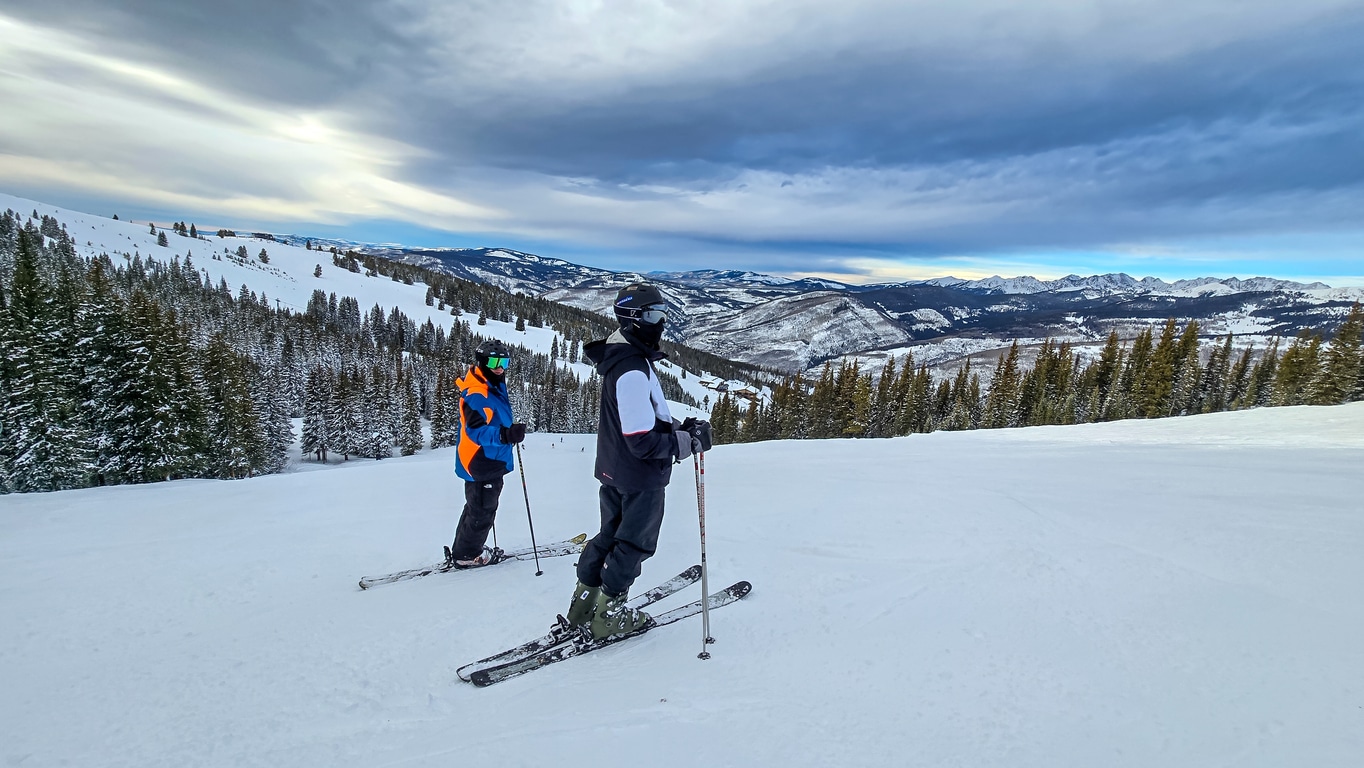
An icy patch and a collision caused by someone skiing out of control can have very different legal consequences. The Colorado Ski Safety Act identifies inherent hazards and duties that still apply. In Boulder, Jeffress Law, PC represents people hurt in ski and snowboard accidents. Attorney Christopher W. Jeffress has represented injured people since 1994 and is an avid snowboarder.
Which Skiing Risks Are Inherent?
Under the Colorado Ski Safety Act, changing snow conditions, trees, terrain variations, and even collisions with other skiers are among the inherent risks of the sport. When an injury results from these hazards, the law generally protects ski area operators from liability. That protection does not work the same way in a case brought against another skier.
When Another Skier Causes a Collision
Section 33-44-109 requires people on the slopes to control their speed, watch for others, and avoid those below them. The downhill skier bears the primary duty to avoid collisions with people below. Someone entering a trail from the side must yield to skiers already moving on it.
Imagine a snowboarder descending too quickly and striking someone farther down the run. If the snowboarder failed to maintain control, the injured person could have grounds for a personal injury claim. Responsibility depends on what happened, not simply which person made contact.
When Can Resorts Be Liable?
Resorts have specific duties beyond managing ordinary slope conditions. For instance, operators must post warnings when grooming equipment is working on an open trail and equip moving grooming vehicles with visible lights. A violation that contributes to an injury raises a different question from a fall on icy terrain. Ski lifts also have separate safety requirements.
Under Section 33-44-111, lawsuits against ski area operators or their employees involving the maintenance, supervision, or operation of a ski area or lift generally must be filed within two years after the claim arises. Different filing rules may apply to claims against individual skiers.
After a Ski Accident
Get help from ski patrol and seek medical attention. If possible, photograph the location, collect witness information, and request the incident report. In an injury collision, Section 33-44-109 requires involved skiers to give their names and current addresses to ski patrol or a resort employee before leaving the vicinity, except when leaving to obtain aid.
Keep your lift-ticket information and medical records, particularly if you experience back and neck injuries or symptoms of brain injuries.
Skier conduct and resort responsibility are evaluated under different rules. To discuss your circumstances with Christopher W. Jeffress at Jeffress Law, PC in Boulder, CO, contact us or call 303-993-8685.