
An insurance company can refuse to pay a claim when a valid policy exclusion clearly applies to the loss. However, an exclusion doesn’t give an insurer unlimited freedom to reject a covered claim. Colorado law prohibits insurers from unreasonably delaying or denying certain first-party benefits, so both your policy’s wording and the facts behind the denial matter. Bad faith concerns can arise when an insurer refuses covered benefits without a reasonable basis. Colorado recognizes both statutory and common-law claims, which have different proof requirements.
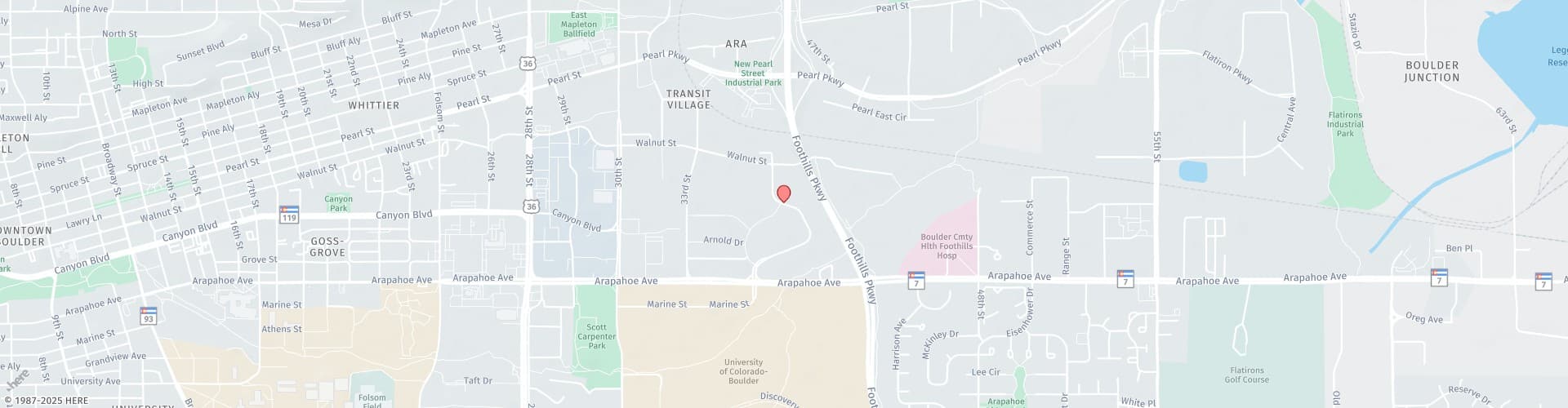
Based in Boulder, CO, Jeffress Law, PC, also serves Fort Collins, Longmont, Loveland, and nearby communities. Christopher W. Jeffress has practiced law since 1991 and started his career defending insurance companies and large corporations before representing injured people. He has also been recognized as a Top 10 Attorney. Antwan D. Hampton, Jr. has experience representing both injured people and insurers and previously worked as a Colorado prosecutor. As a small firm, Jeffress Law gives clients direct attention.
When Can a Policy Exclusion Justify a Denial?
An exclusion is language in your insurance contract that removes certain losses or circumstances from coverage. When the facts of your claim fall within a valid exclusion, the insurer may have a legitimate reason to deny payment.
The insurer should be able to identify the policy language behind its decision and connect that language to what happened. A disagreement about coverage by itself doesn’t automatically establish bad faith.
When Could an Exclusion Raise Bad Faith Concerns?
Colorado law states that an insurer acts unreasonably when it denies or delays a covered first-party benefit without a reasonable basis. Questions can arise when an insurer:
- Uses an exclusion that doesn’t fit the facts: The wording cited in the denial might concern a different type of loss or circumstance.
- Fails to investigate important information: An insurer’s coverage decision should account for relevant facts available when it makes that decision.
- Overlooks evidence supporting coverage: Documents, photographs, reports, or other records may change how policy language applies.
- Gives unclear or changing reasons: Inconsistent explanations can warrant a closer review of how the claim was handled.
Colorado courts evaluate the reasonableness of an insurer’s decision based on the information available when the coverage decision was made.
What Should You Review After an Exclusion-Based Denial?
Start with the denial letter, the complete policy, declarations, endorsements, and any correspondence about your claim. The exact wording matters. An attorney can compare the exclusion with the circumstances of your loss and examine how the insurer investigated and evaluated the claim.
Review an Insurance Denial With Jeffress Law
An exclusion-based denial isn’t necessarily the end of your claim. Christopher W. Jeffress’s prior work for insurance companies gives him firsthand knowledge of how insurers defend coverage decisions. Jeffress Law, PC, assists people in Boulder, Fort Collins, Longmont, Loveland, and surrounding areas. Contact us or call 303-993-8685 to discuss an insurance dispute.